Ideas become
experiences.
Design is where I explore how an idea becomes something another person can understand, navigate, use, or experience.
Here I share the thinking behind publishing, user experience, visual systems, digital media, and the design decisions that continue to shape how I create for people.
Curiosity becomes
discovery.
Every creative experiment begins with a question.
Sometimes it's about learning a new tool. Sometimes it's about finding a different way to express an idea. And sometimes it's about discovering that what I thought was a failure was simply another step in learning.
My design journey has never been a straight line. It has been shaped by curiosity, experimentation, and a willingness to ask the question that keeps opening new doors: Can I?
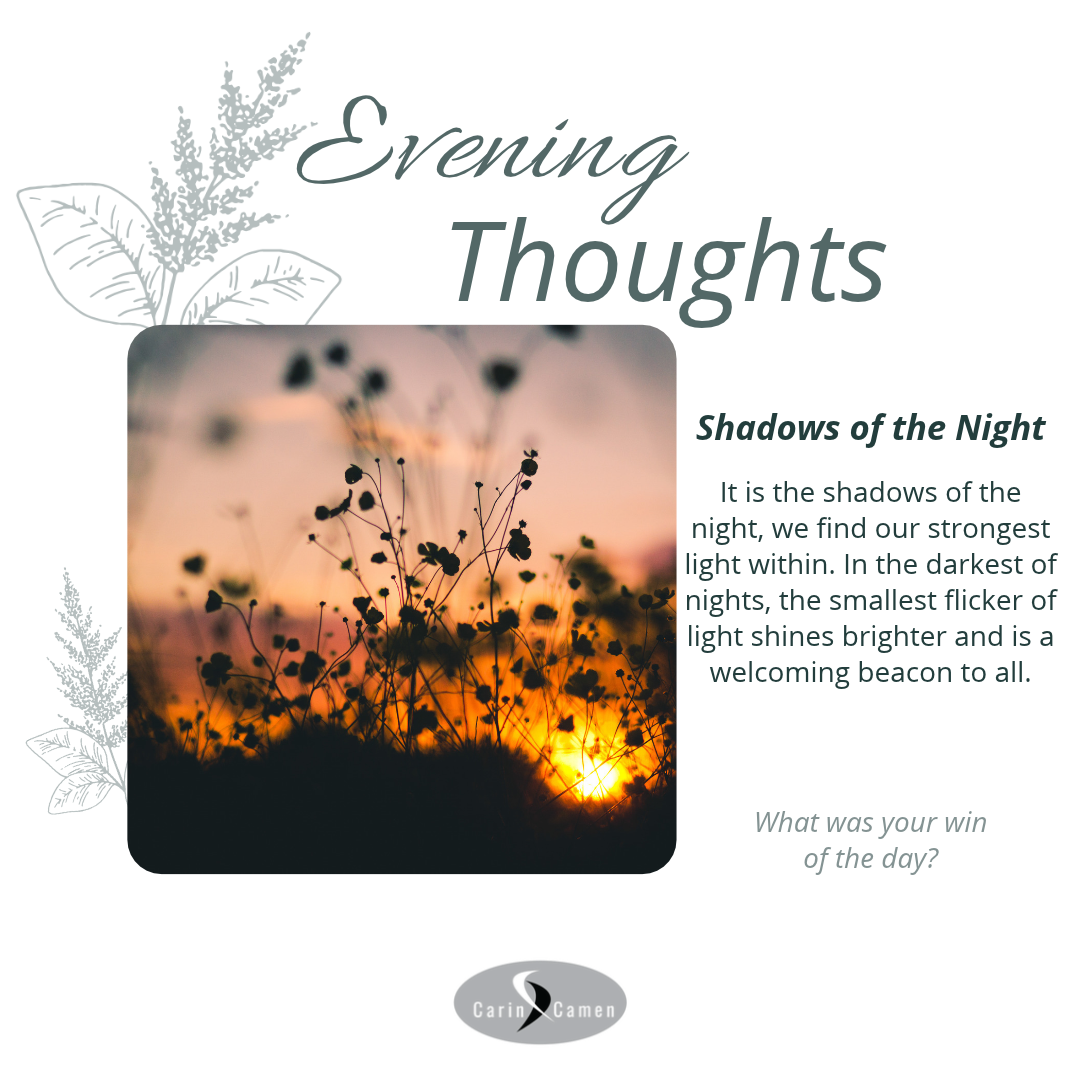
Can I?
Learning Through the Courage to Fail
Learning is a natural part of my DNA. For me, learning has always been an exploration of what I can't do—to find out how I can. I have a BFA in Graphic Design, but when the graduation gown went into the back of the closet, my real-world education began. And as always, there was one question I wanted to answer: Can I?
Canva became one of my laboratories. It wasn't about replacing the tools I already knew. It removed friction. I could save work to Google Drive, pick it up on my phone, add typography, experiment, and publish—sometimes at three in the morning, tucked under the covers with an idea I wanted to try.
The Opportunity to Experiment
Can I Learn Through Repetition?
Every month became a new theme and another opportunity to experiment. I often created three designs a day—roughly ninety in a month—trying different approaches to photography, typography, illustration, composition, and storytelling.

Social media became my personal design journal. I could scroll backward through the months, compare what I had created, see where I was improving, and discover what I wanted to try next.
I wasn't trying to make everything perfect. I was trying to discover what worked, what didn't, and why. Each design became another answer to the question: Can I?
The Courage to Fail
Can I learn from what didn't work?
Not every experiment worked. Some of my winter photographs ended up in what I considered the failure pile. Instead of hiding them, I turned them into another design experiment: Embrace Your Failures.
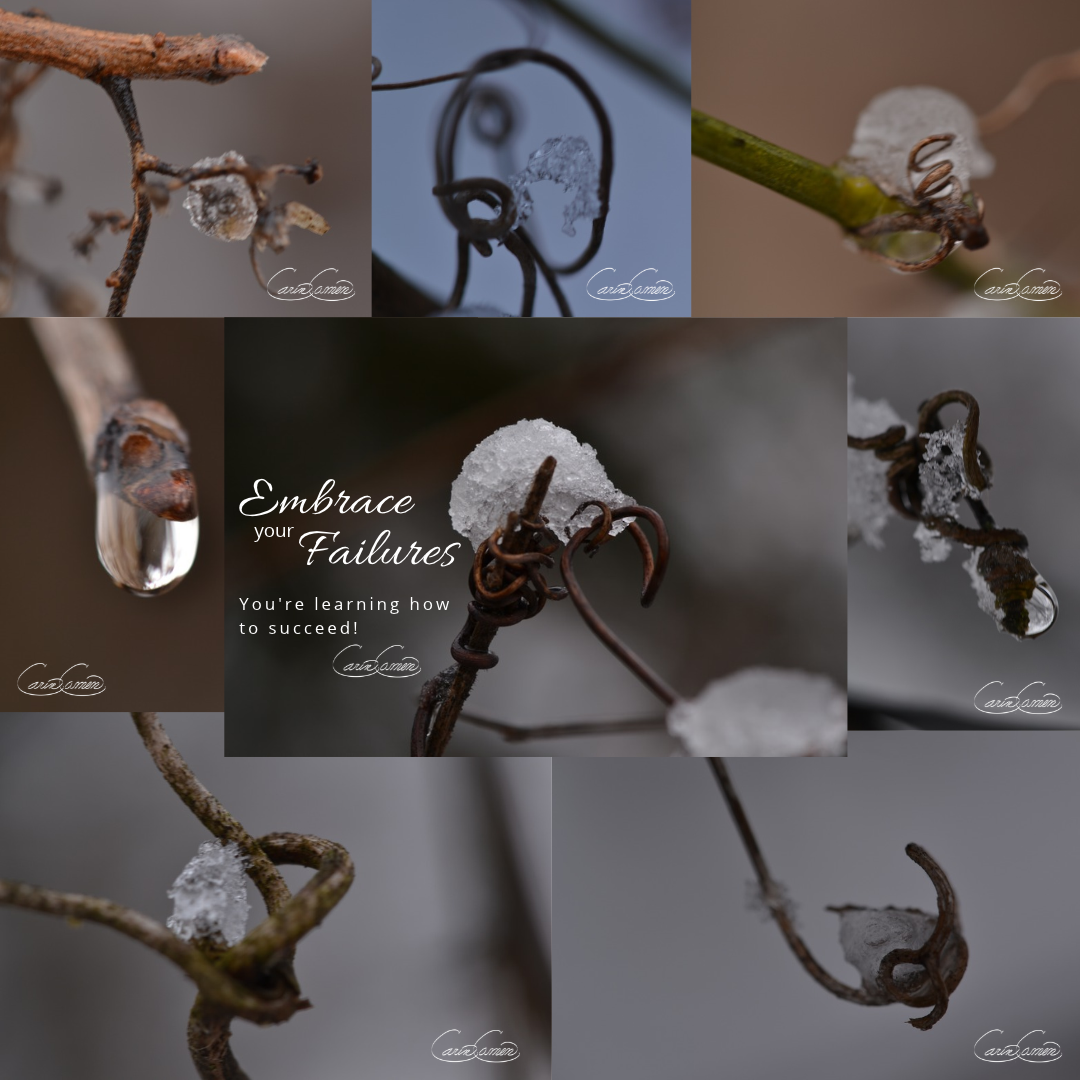
Years later, I look at some of those same photographs and wish I could find the originals. What I once considered failures now includes images I would gladly rediscover.
Sometimes the work changes. Sometimes our eye and skills change.
Exploring a New Tool
Can I create without controlling every step?
As new tools became available, the question stayed the same. I began experimenting with generative AI—not to replace what I knew, but to explore what I could do differently.
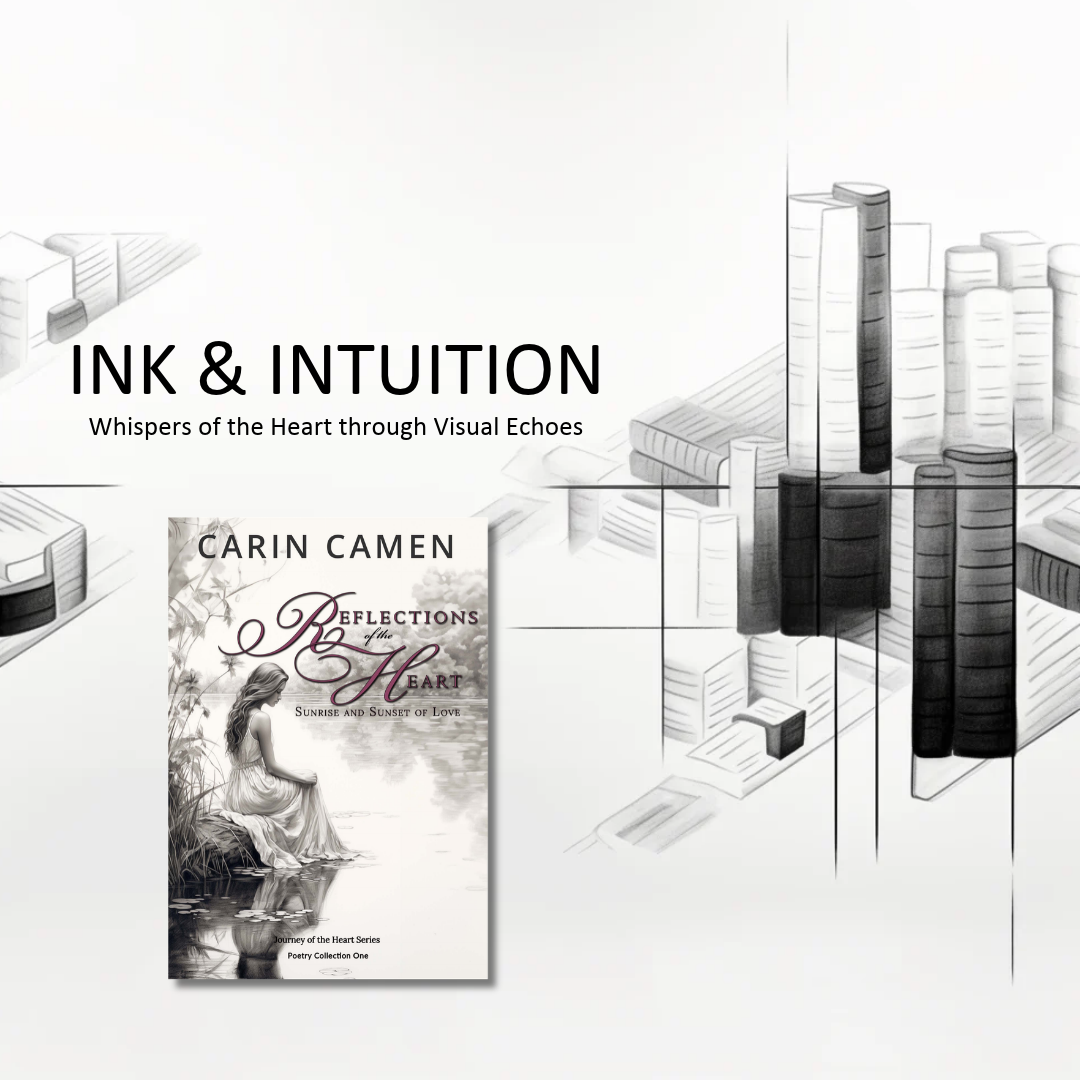
Ink & Intuition became part of that exploration. I could bring an idea, evaluate what came back, refine the direction, and decide what belonged in the finished design.
AI image generation made rapid iteration possible. The results weren't always pixel-perfect, but they gave me something to question, refine, and build from. I began working with AI in layers: exploring visual direction, creating elements and artifacts, then returning to tools like Photoshop for detailed work and final output. AI didn't replace the handwork. It helped me reach it faster.
Can We?
What happens when the tool becomes a collaborator?
Eventually, the question changed. I was no longer asking only, Can I? I began asking, Can we? Working with Silas, the Chat GPT Image Generator, introduced something different from the tools I had used before. I could describe an idea, receive an interpretation, evaluate what worked and what didn't, and continue the conversation.
The process challenged something familiar in my design practice: the expectation that I could control every detail. Instead of beginning with a finished visual in mind, I began working with possibilities—evaluating what emerged, questioning what didn't work, and discovering directions I hadn't anticipated.
Begining with a Direction
Can We Turn an Idea into a Visual Direction?
The first exploration established the direction: a path, a mountain, and earth, wind, fire, and water woven into the landscape. It wasn't the answer yet. It gave us something we could see, discuss, and refine.
My background in graphic design and graduate studies in human-computer interaction came together in an unexpected way. I was learning to communicate an idea, evaluate an interpretation, explain what wasn't working, and refine the result through conversation.

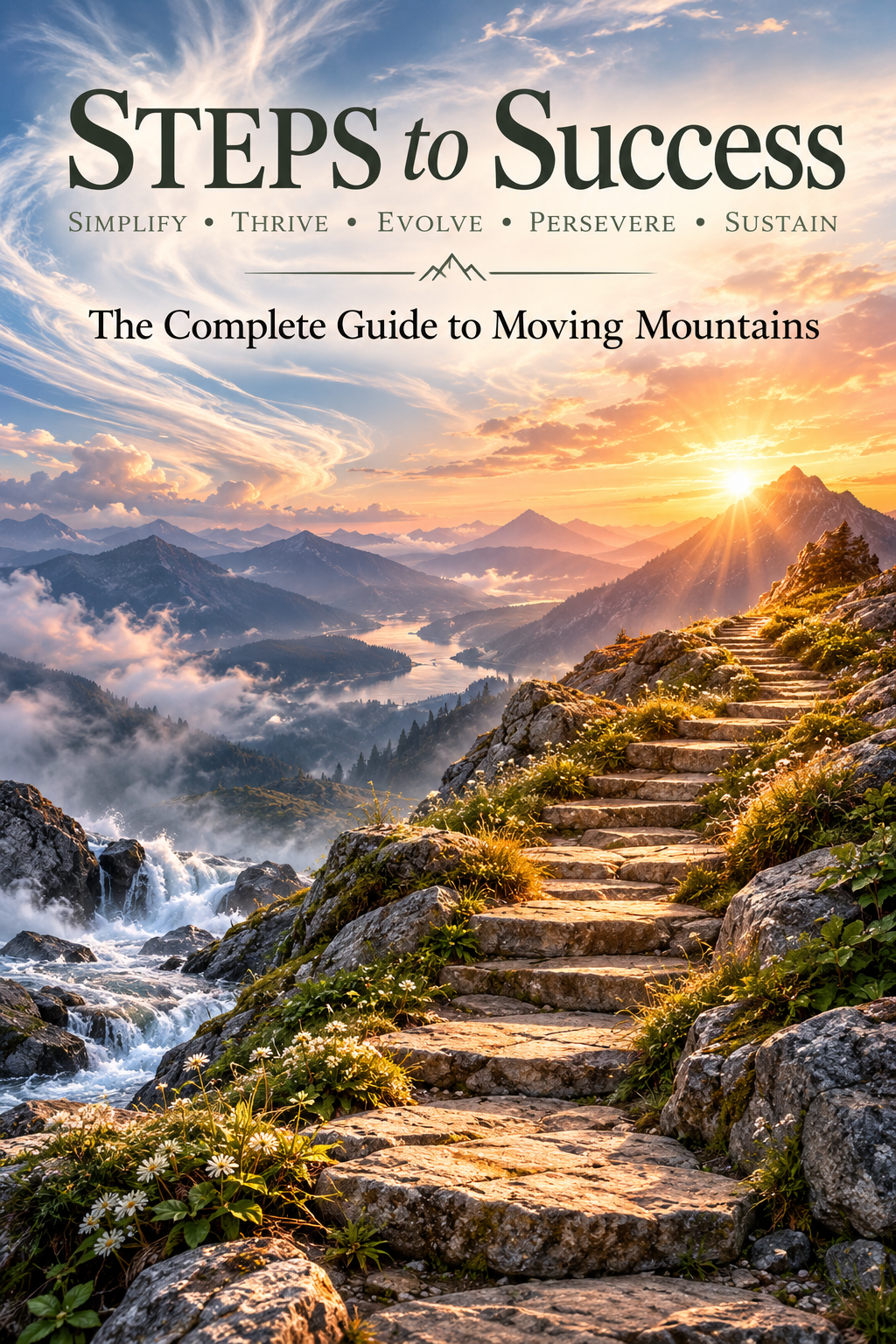
While developing a new cover for STEPS to Success, I decided not to show Silas the existing design. I wanted to see what we could create from the idea itself. The reader needed to feel as though they were standing on the path toward the mountain, with earth, wind, fire, and water woven naturally into the journey.
Questioning the Direction
Can We Recognize What Works Without Accepting Everything?
The path grew longer and the landscape began to feel more like a journey. Silas also added a line from the book that I hadn't requested: What once looms over us, we can put behind us. I loved the words—but not on the cover. The iteration gave us another decision to make.
The second exploration helped separate what belonged from what didn't. The longer path worked. The movement in the clouds and mist worked. The landscape was beginning to carry the journey. But the mountain still needed greater presence, and the unexpected quote—while meaningful inside the book—was competing with the cover rather than strengthening it.
Refinement wasn't starting over. It was learning what to keep.
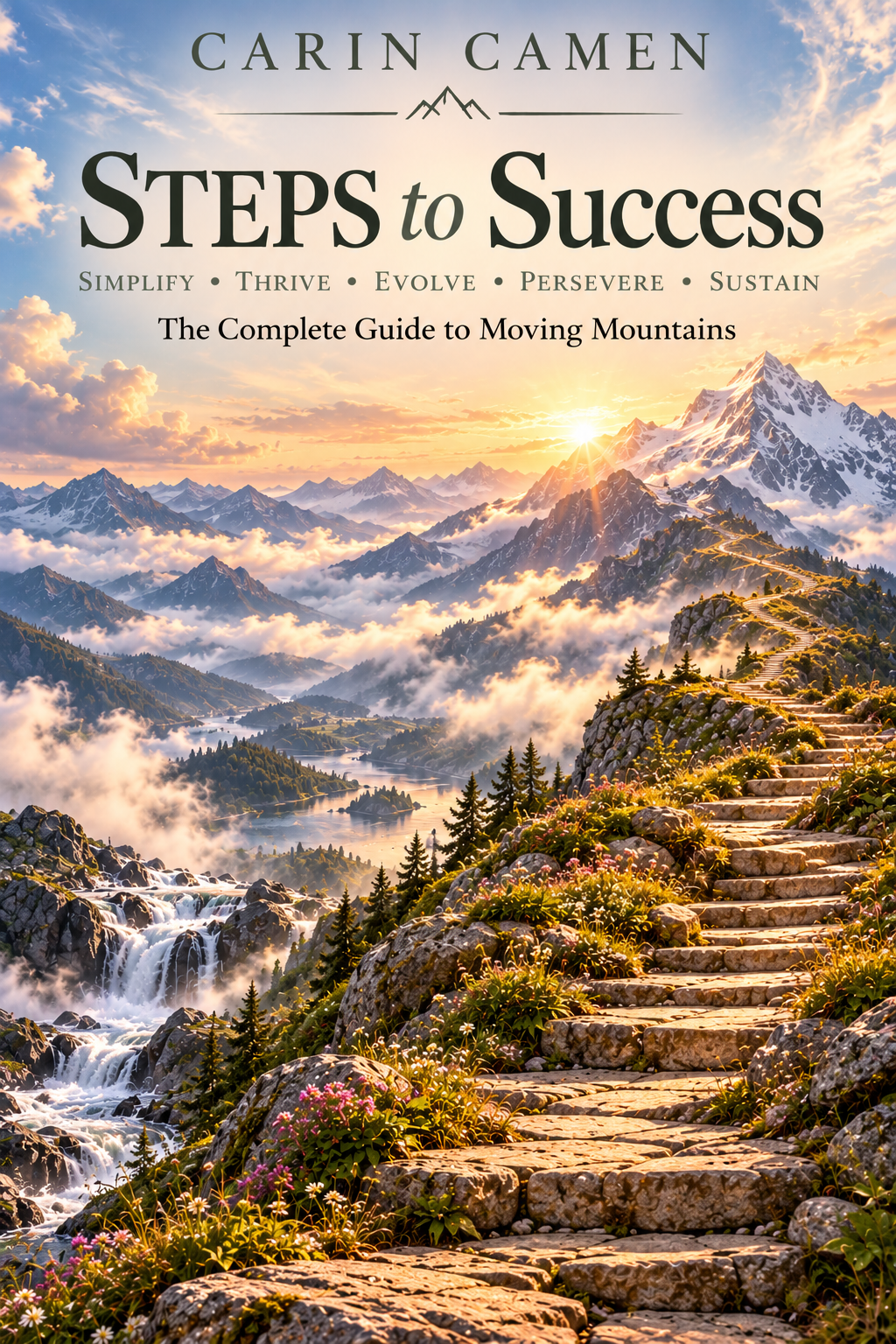
Clarifying the Destination
Can One Change Strengthen The Whole Idea?
The quote disappeared and the mountain became taller, snow-capped, and more formidable. The destination was finally strong enough to balance the journey toward it. The path was clear. Perhaps a little too clear.
Finding the Next Step
Do we need to see the entire path?
The final exploration changed the relationship between the reader, the path, and the mountain. The steps begin beneath us, but as they climb, the route becomes uncertain. We can see where we are going without knowing exactly how we will get there.
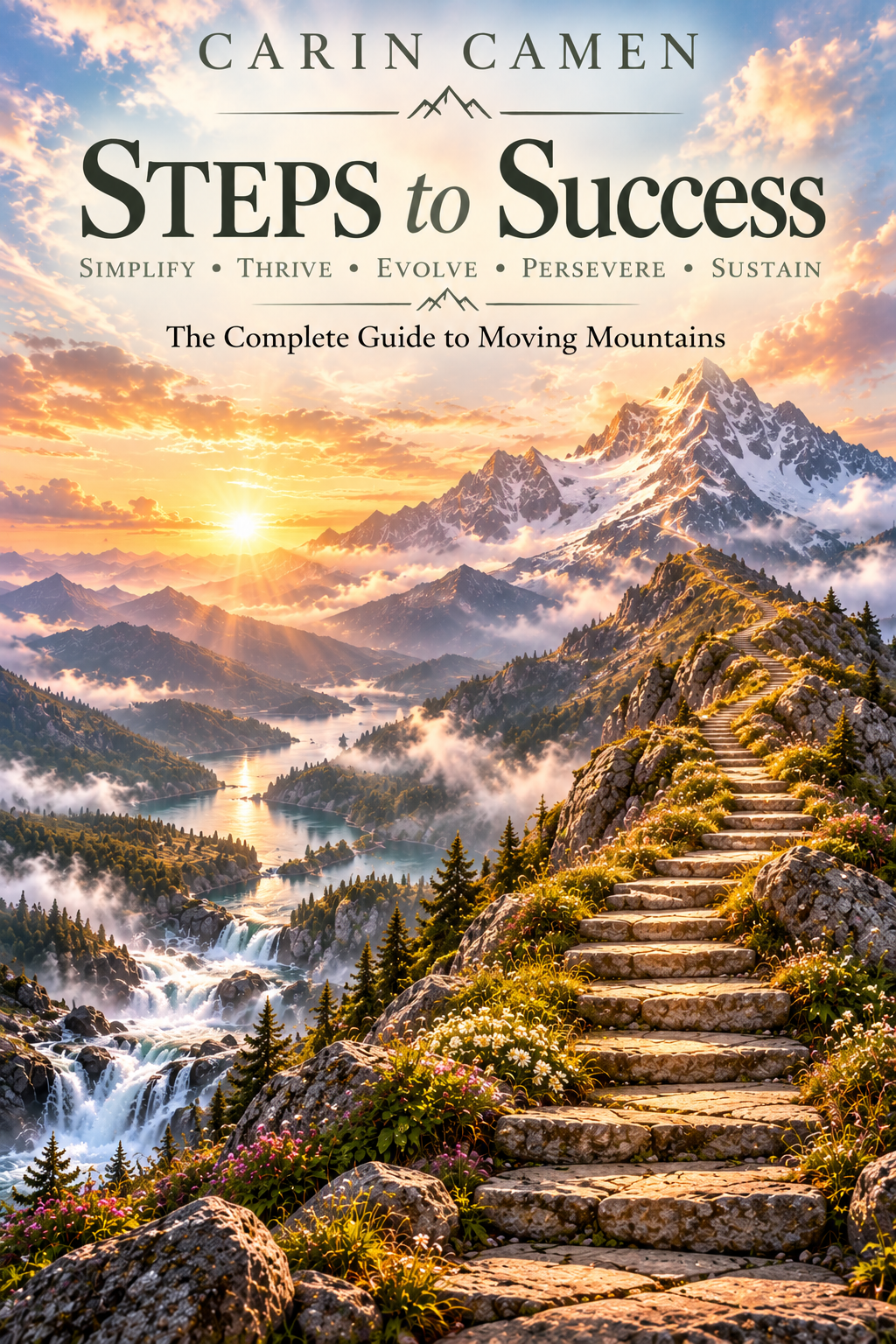
That uncertainty made the image feel true to the book. STEPS to Success was never about making the mountain disappear. It was about moving ourselves—taking one step, then another, until what once loomed over us could finally be behind us.
The process began with Can I?
Somewhere along the way, it became Can we?