A book rarely moves
in a straight line.
My process is iterative. Writing can reshape design, design can reveal an edit, and the physical book can change decisions that seemed finished on screen.
These seven perspectives help me move an idea from its earliest form into the hands of a reader—and what I learn after release often becomes the beginning of the next journey.
See the idea before
defining it.
Some books begin with words. Others begin with an image, a feeling, or a glimpse of what the experience might become.
For STEPS to Success, the mountain and trail gave the idea somewhere to live before the manuscript was fully formed. The early visual concept wasn't simply packaging; it became a creative instrument for discovering the book.
What began as a single workbook eventually grew into a larger learning system. As the content evolved, so did the visual language. The newest cover returns to the mountain metaphor with a different perspective: the destination may be visible, but the entire path does not need to be. Sometimes the next step is enough.
The change is more than visual. Earlier versions presented STEPS as a structured system for reaching a goal. As the work developed, I began thinking more deeply about the experience of the person making the journey. A map can provide direction without revealing every turn. The cover now reflects that idea: the mountain remains, but the emphasis has shifted from reaching the destination to finding the next step.


Gather what the journey
will require.
Before beginning a climb, I think about what the journey will ask of me—and what the reader will need along the way. The same thinking shapes the tools, activities, resources, and structure that support the experience.
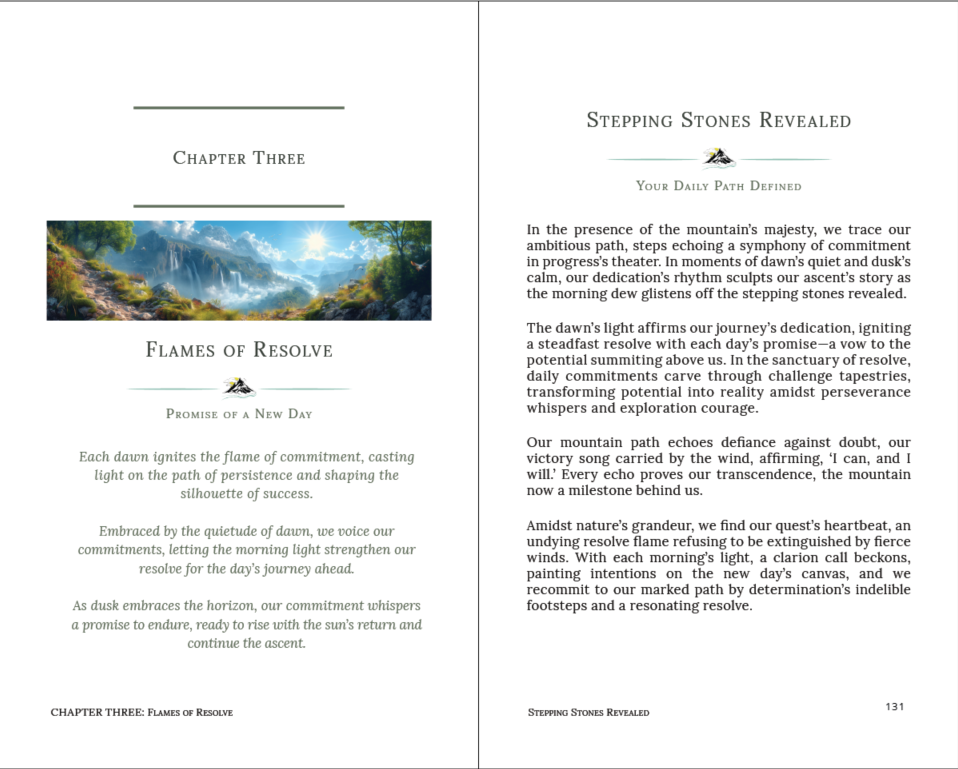
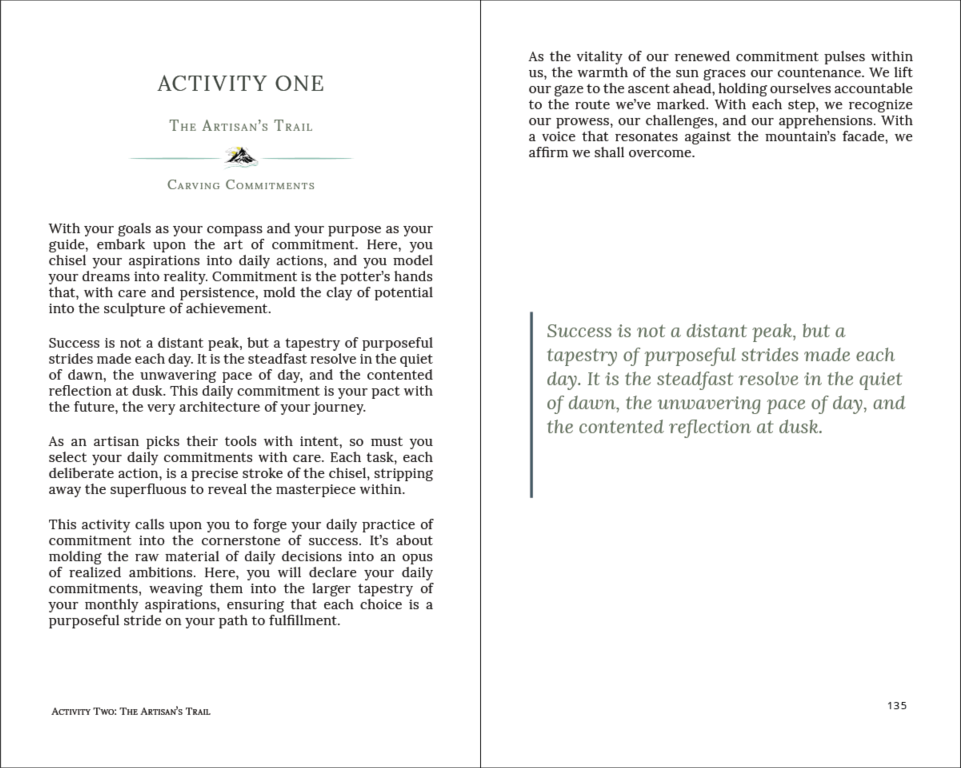
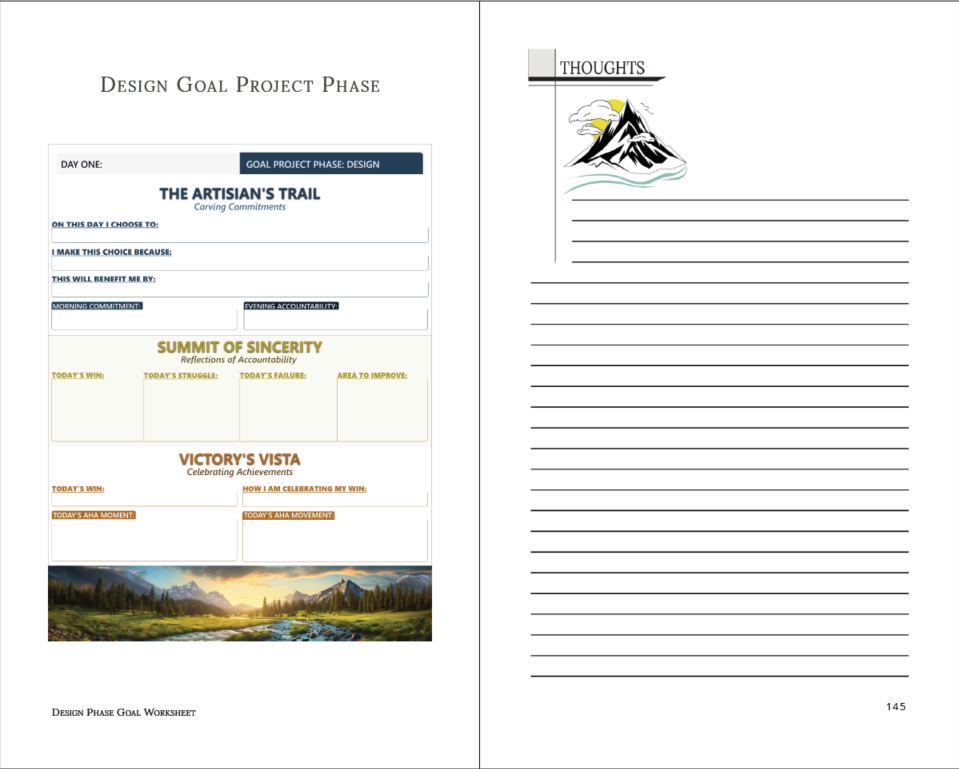
For STEPS to Success, the activity, language, and visual structure developed together. As the process became clearer, the forms evolved with it—turning abstract ideas into something the reader could actively use.

Turn the destination into
a path you can follow.
A destination becomes manageable when I can see the path toward it. I work backward from the intended experience—breaking the larger goal into smaller decisions, tasks, resources, and milestones that can move the work forward.
Returning to STEPS to Success changed the map itself. The original methodology remained, but a single integrated system evolved into distinct books, journals, and paths designed around different reader needs.
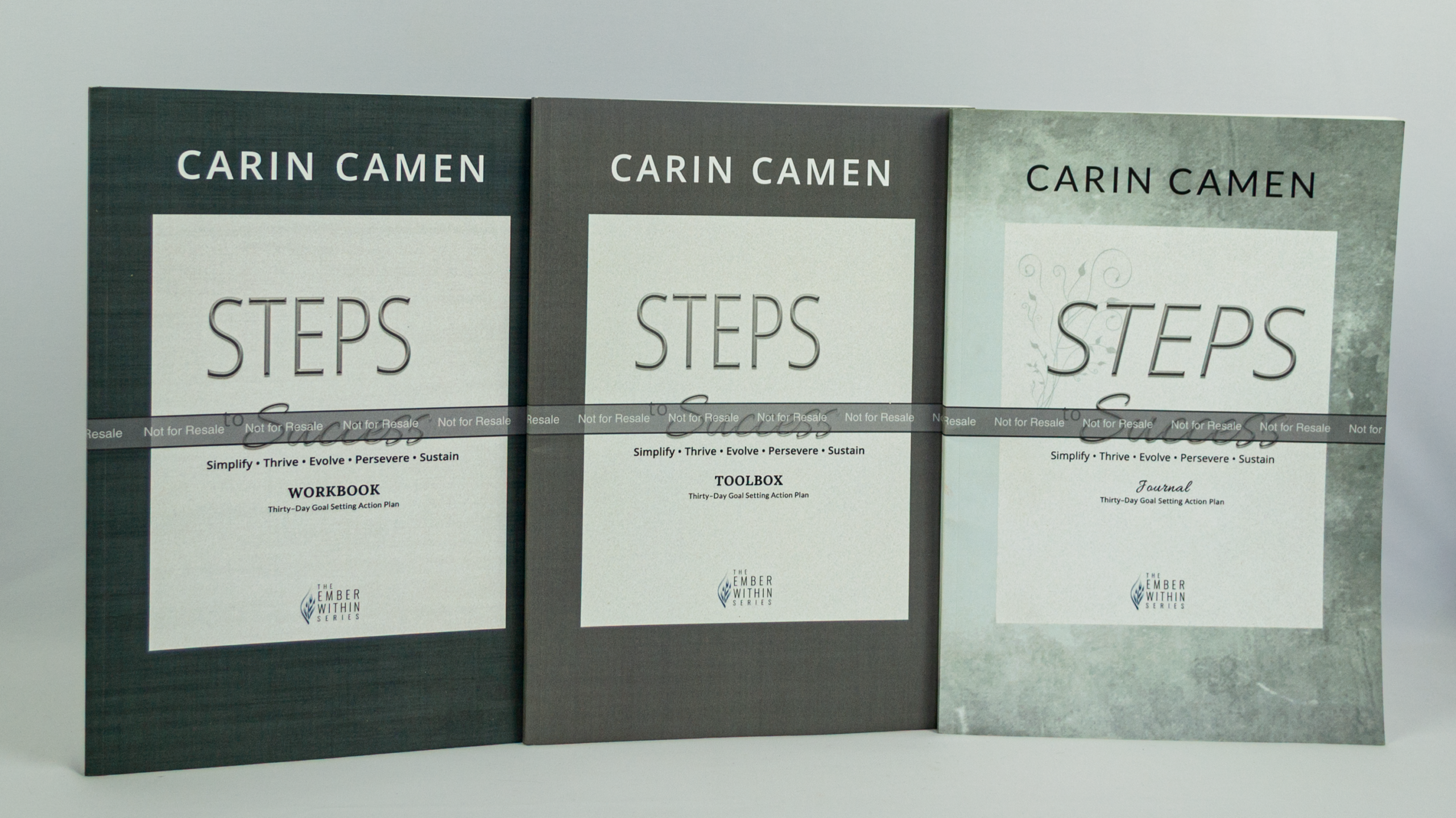
The Original Three-book STEPS System
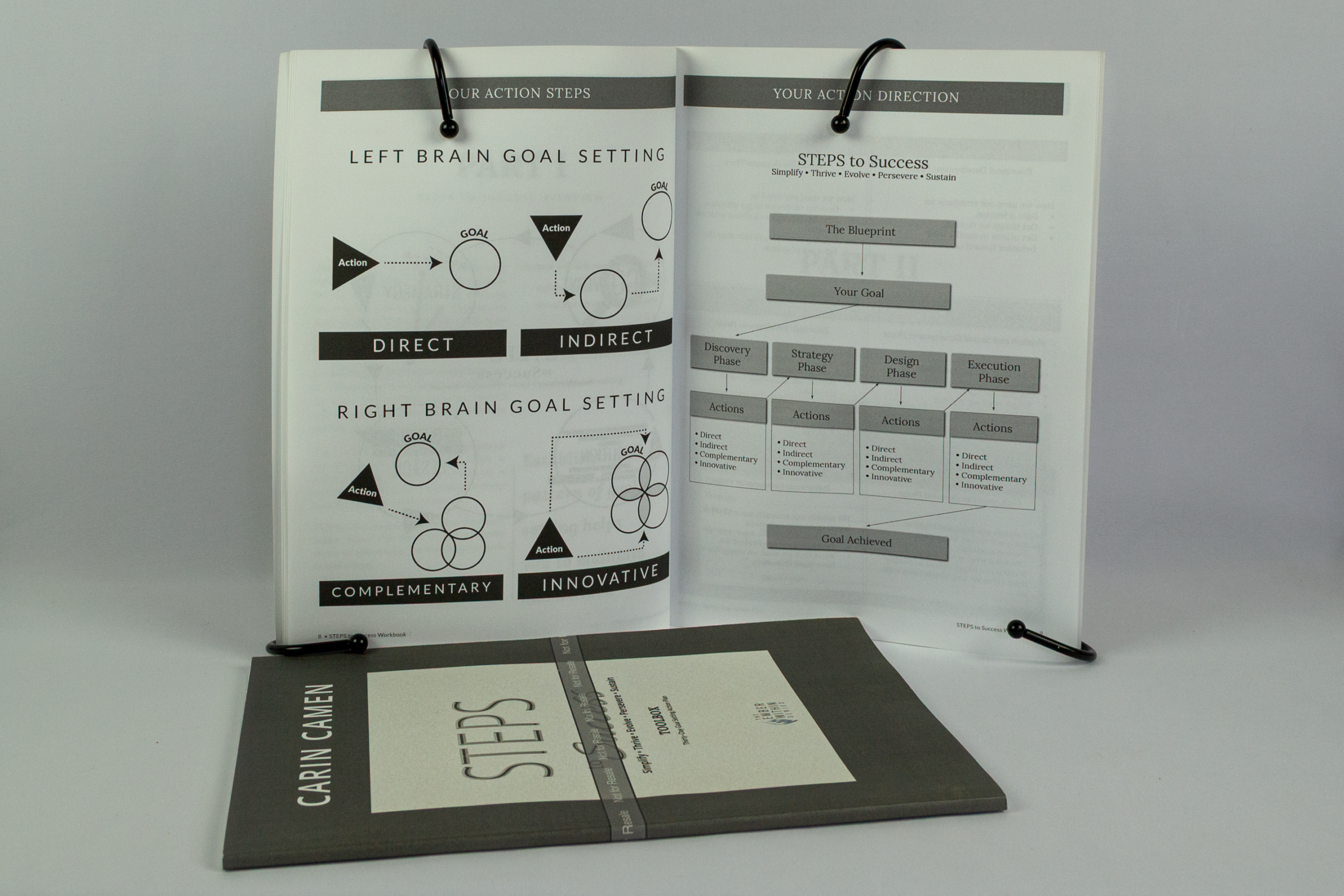
Mapping the Original Methodology

Translating the Methodology into Action
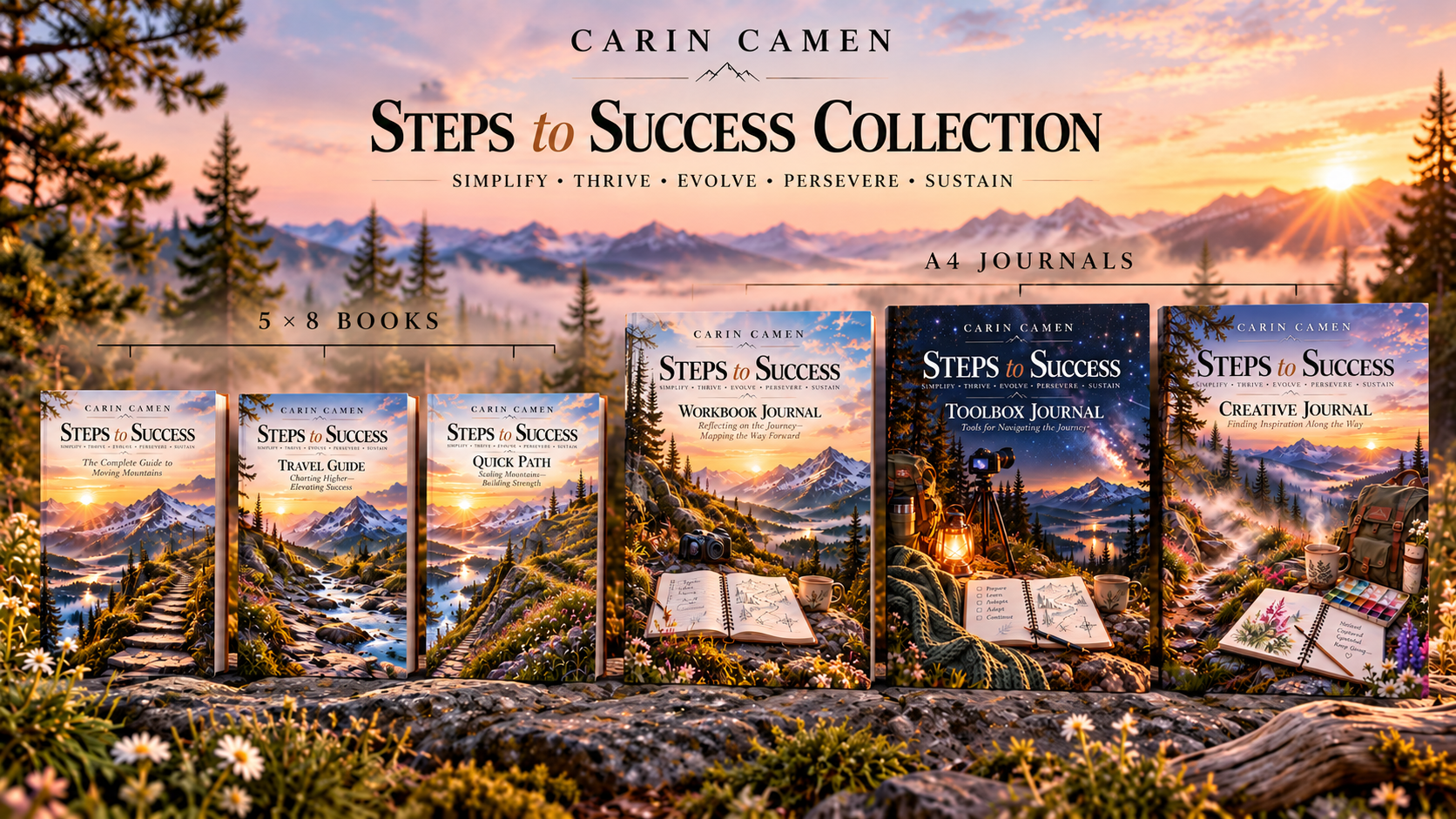
Complete STEPS to Success System
Turn the manuscript into
something the reader can inhabit.
This is where I begin experiencing the book as a reader. Typography, hierarchy, white space, imagery, page turns, and physical interaction become part of how the words are understood—not decoration added after them.
As I build the pages, the design continues to shape the content. A spread can reveal an edit, an activity can expose a missing instruction, and something visually beautiful may still be removed if it does not serve the reader.
Reflections of the Heart became a particularly visible example of that evolution. Across successive editions, I reconsidered not only the cover, but how the poetry occupied the page—allowing typography, imagery, pacing, and white space to become part of the emotional rhythm of the work.
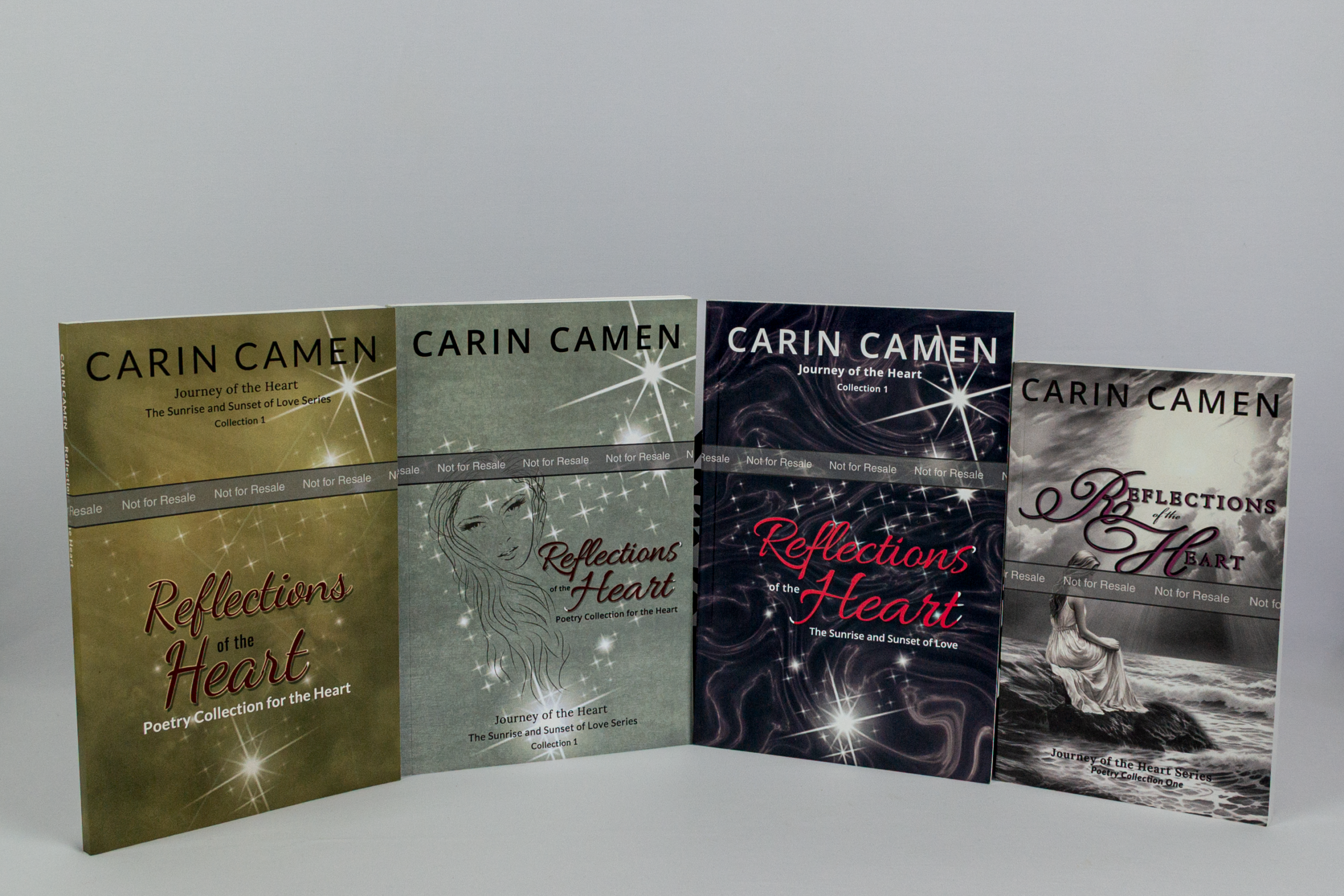
The Evolving Design of Reflections of the Heart
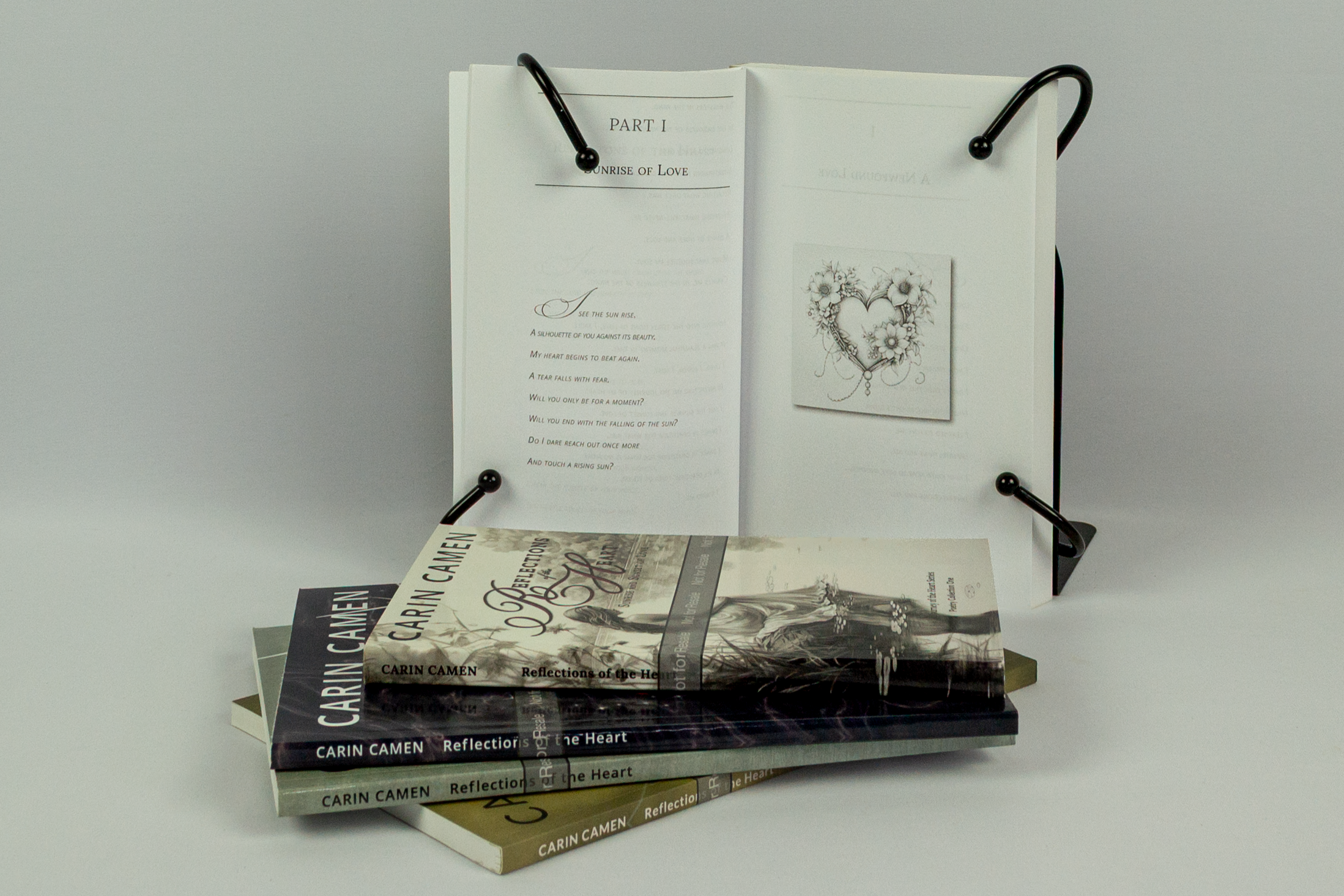
Designing the Poetry on the Page
Step away long enough
to see the work again.
Distance is part of my process. When a book is nearly complete, I step away from it long enough to return without relying on what I remember creating. I want to encounter what is actually there.
That distance also becomes physical. I order an editor copy, hold it, turn its pages, read it word by word, and experience the scale, pacing, margins, typography, imagery, and cover as a reader will. Decisions that felt finished on screen sometimes change once the book is in my hands.
The screen tells me whether the file works. The physical book tells me whether the experience works.
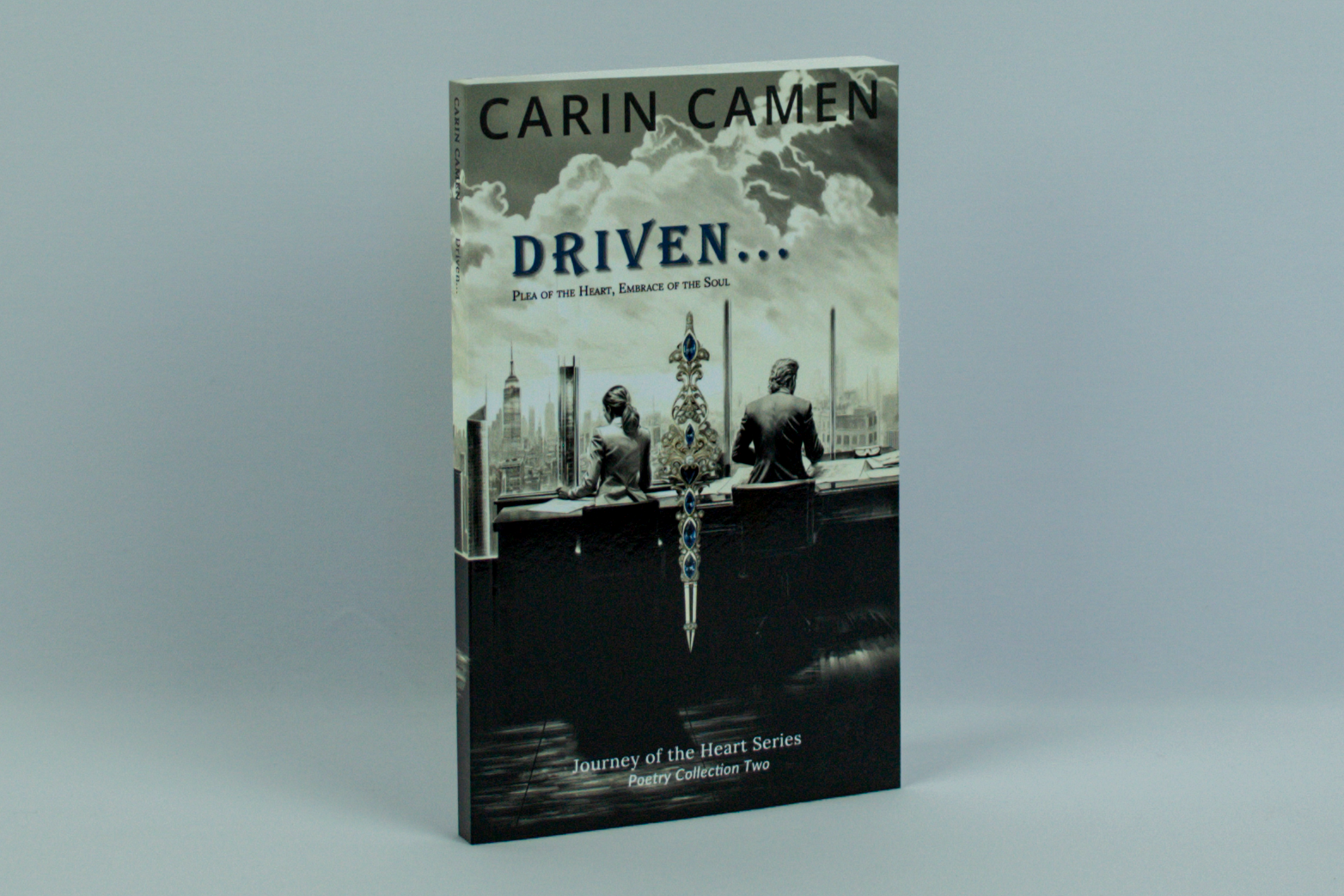
First Impression Becomes a Physical Object.
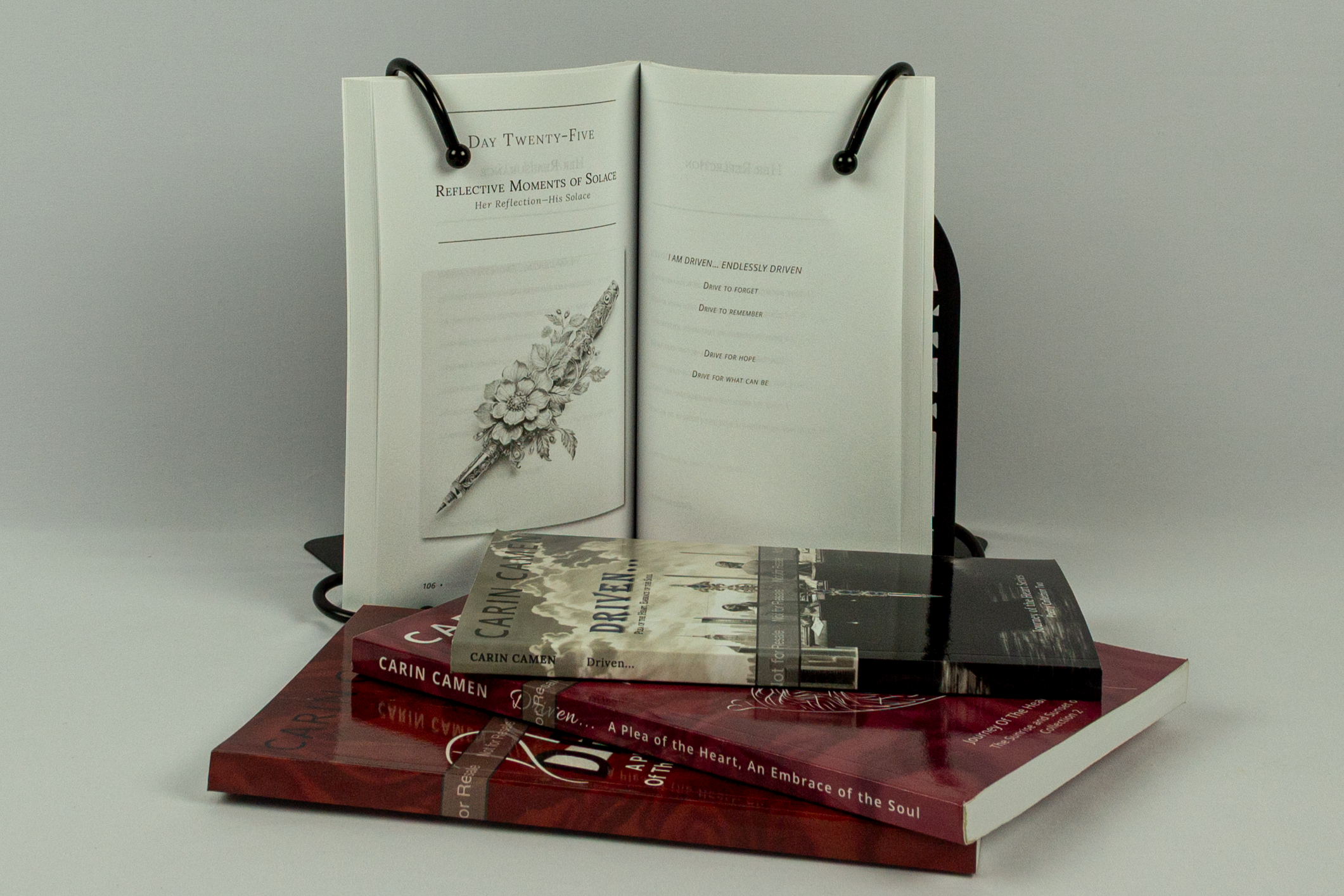
The Experience Continues Beyond the Front Cover
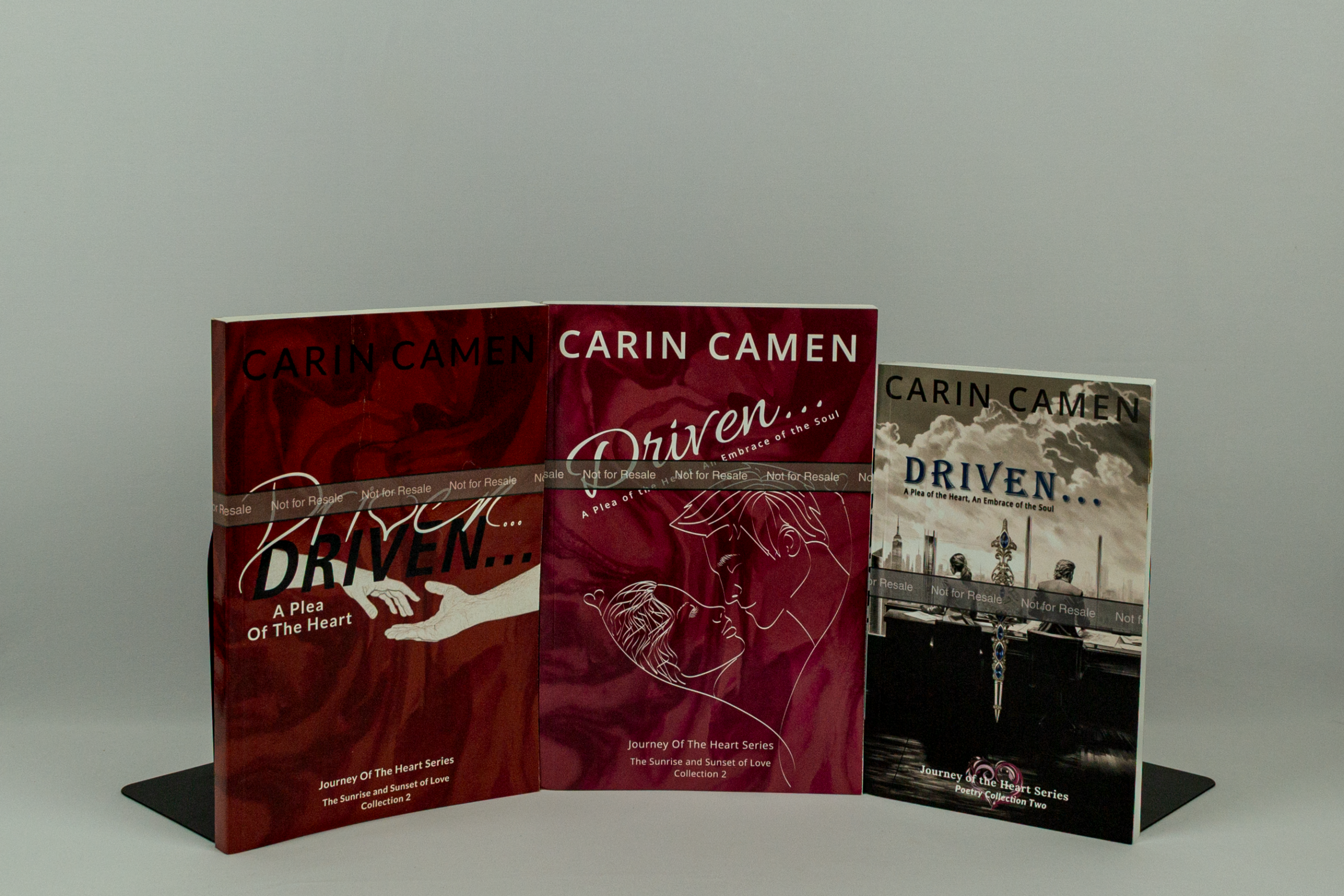
Each Pause Became an Opportunity to See Differently
Create the moment
that makes the reader pause.
Invitation can also begin before the book is finished. While I am still reviewing physical proofs and making final decisions, I can begin introducing the work—sharing its atmosphere, its voice, and enough of its story to give a future reader a reason to become curious.
By this point, I know what the book has become. I return to the cover with a different question: not simply what represents the content, but what might make someone pause long enough to enter it.
That invitation continues beyond the cover. Photography, video, social media, storytelling, and physical outreach become different ways of creating a first encounter with the same reading experience.
Invitation can also begin before the book is finished. While I am still reviewing physical proofs and making final decisions, I can begin introducing the work—sharing its atmosphere, its voice, and enough of its story to give a future reader a reason to become curious.
For me, promotion is not separate from the reading experience. The same attention I give to typography, imagery, pacing, and tone inside the book continues into the way I present it outside the book. A social post, photograph, or video becomes another threshold: a small glimpse of the experience waiting beyond the cover.
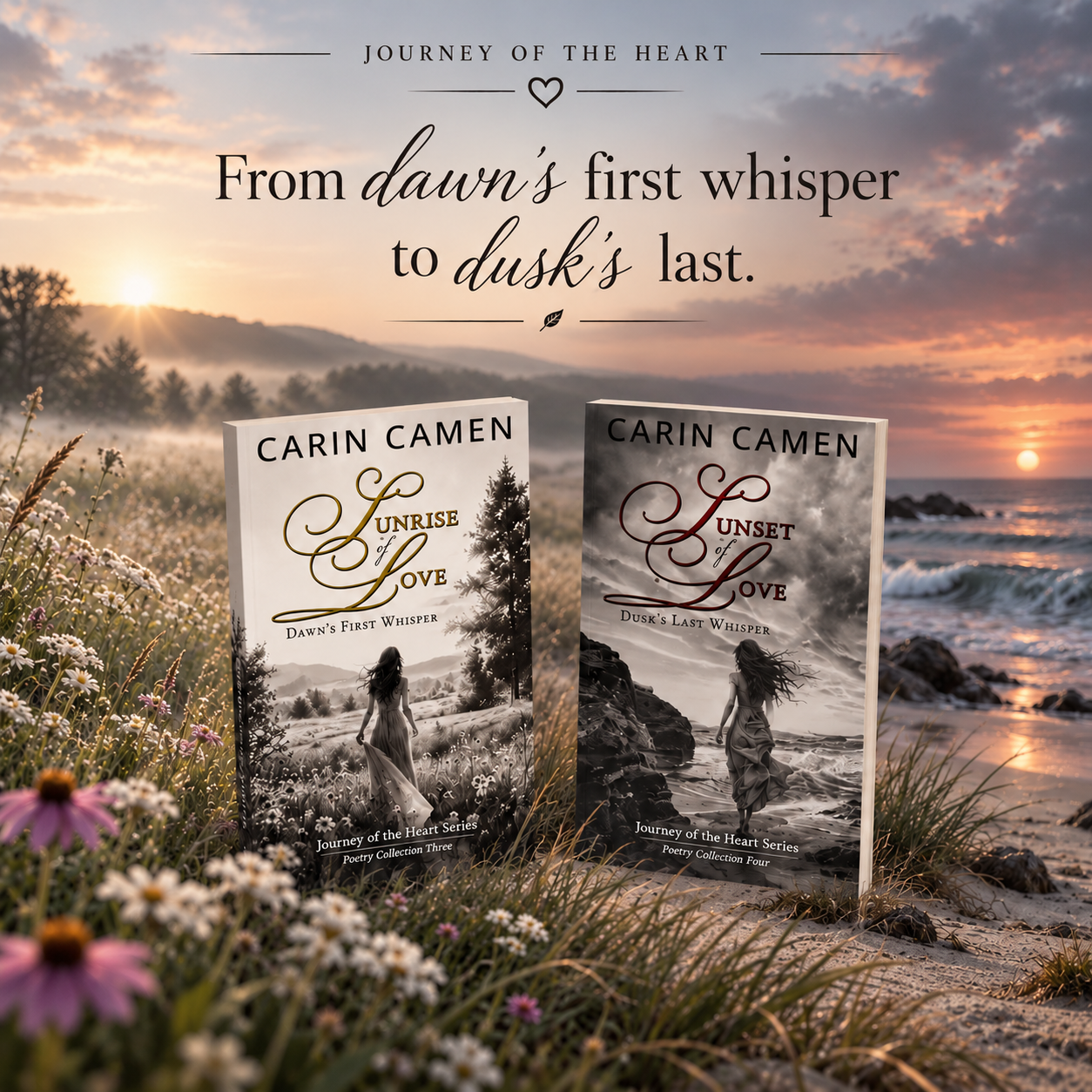 The readers first digital experience with the book.
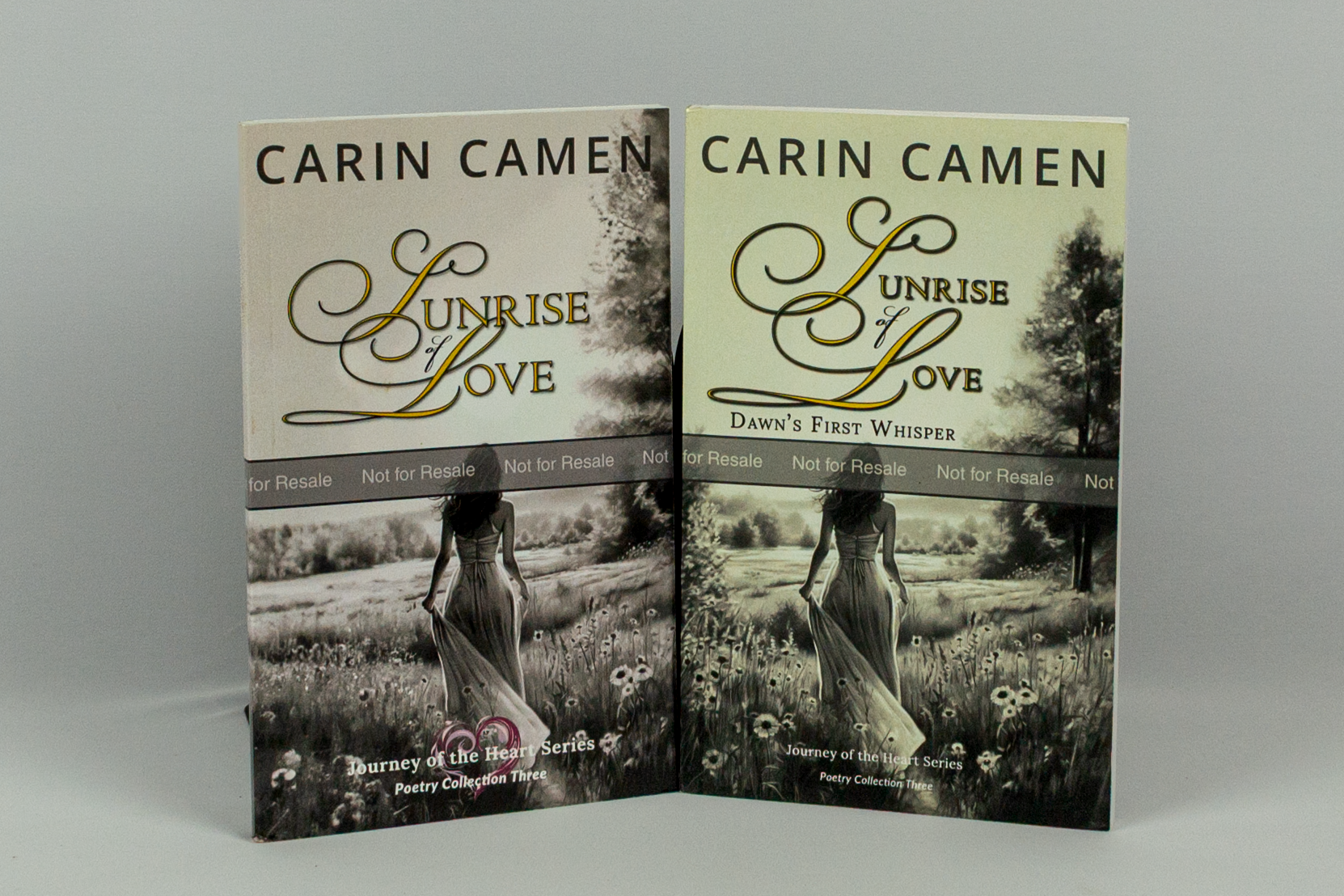
The invitation can begin while the book is still becoming.
Giving the words
wings to fly
Release isn't simply making a book available. It is giving the words a chance to travel beyond me and connect with the readers who will find meaning in them.
Publishing may include final production, distribution, website and social content, photography, or video—but each serves the same purpose: carrying the experience of the book beyond its pages and giving the reader a way to enter it.
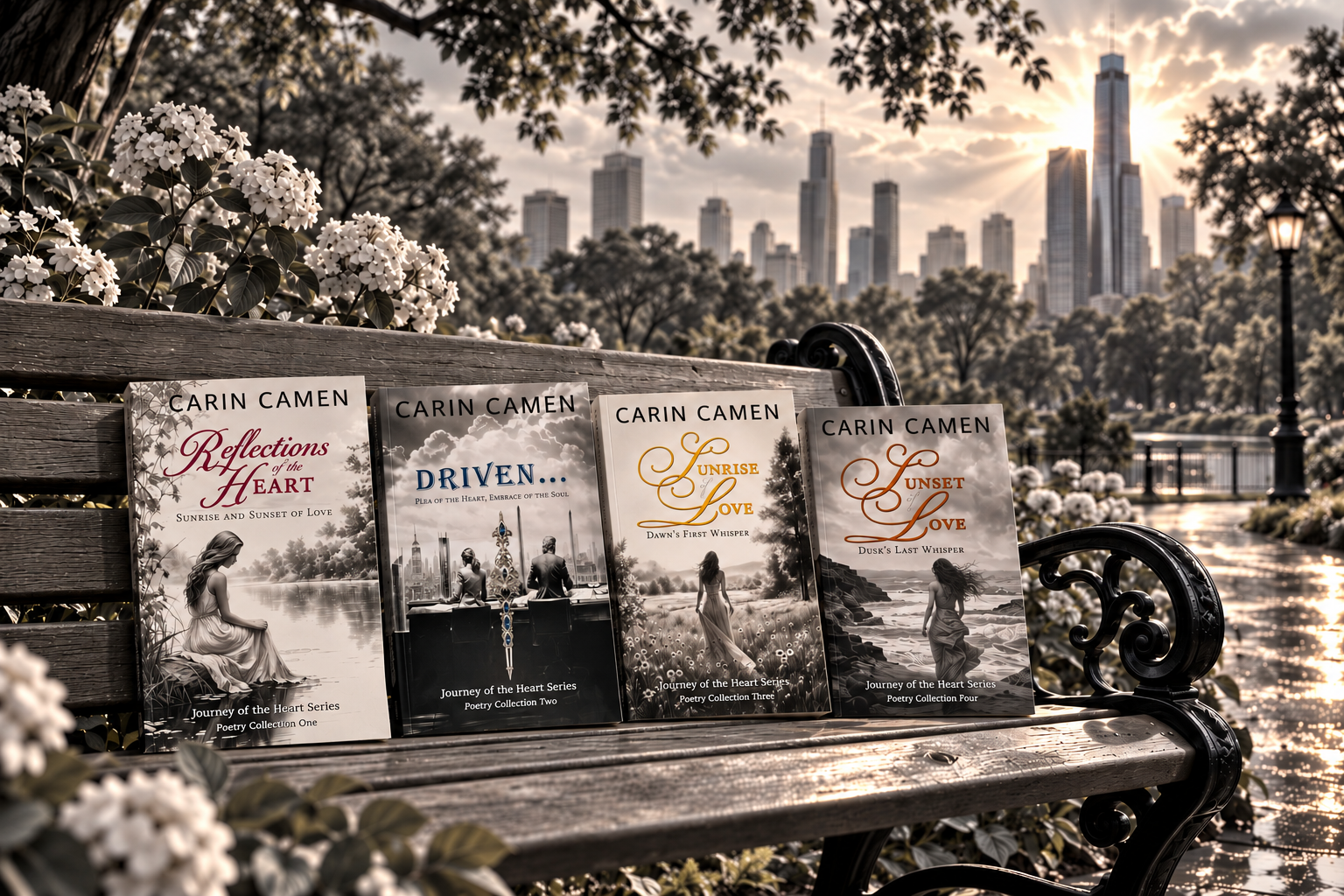
Giving the words wings to fly.