Complexity becomes
clarity.
My approach to user experience begins with understanding—how people think, what they are trying to accomplish, and where complexity gets in their way.
I use research, information architecture, interaction design, and iterative testing to turn complex systems and workflows into experiences people can understand, navigate, and use with confidence.
Designing
an ecosystem,
not simply an interface.
I joined OrderSnapp as a UX/UI Designer and later became Director of User Experience, working with leadership to establish the research, design systems, visual language, and product experiences needed to support a growing restaurant technology platform.
01 — Understand the Ecosystem
Research before interface.
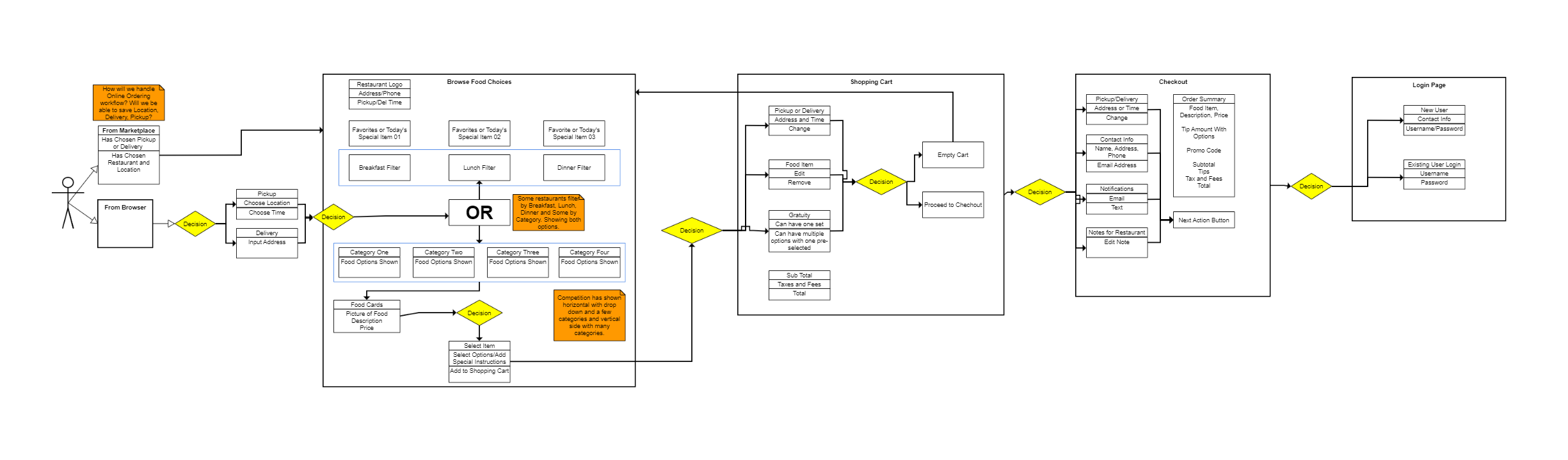
OrderSnapp required designing across interconnected experiences rather than a single screen. I used usability research, affinity mapping, journey mapping, and workflow analysis to understand how customers, merchants, and administrators moved through the system—and where those experiences connected.
02 — Build the System
Create consistency that can scale.
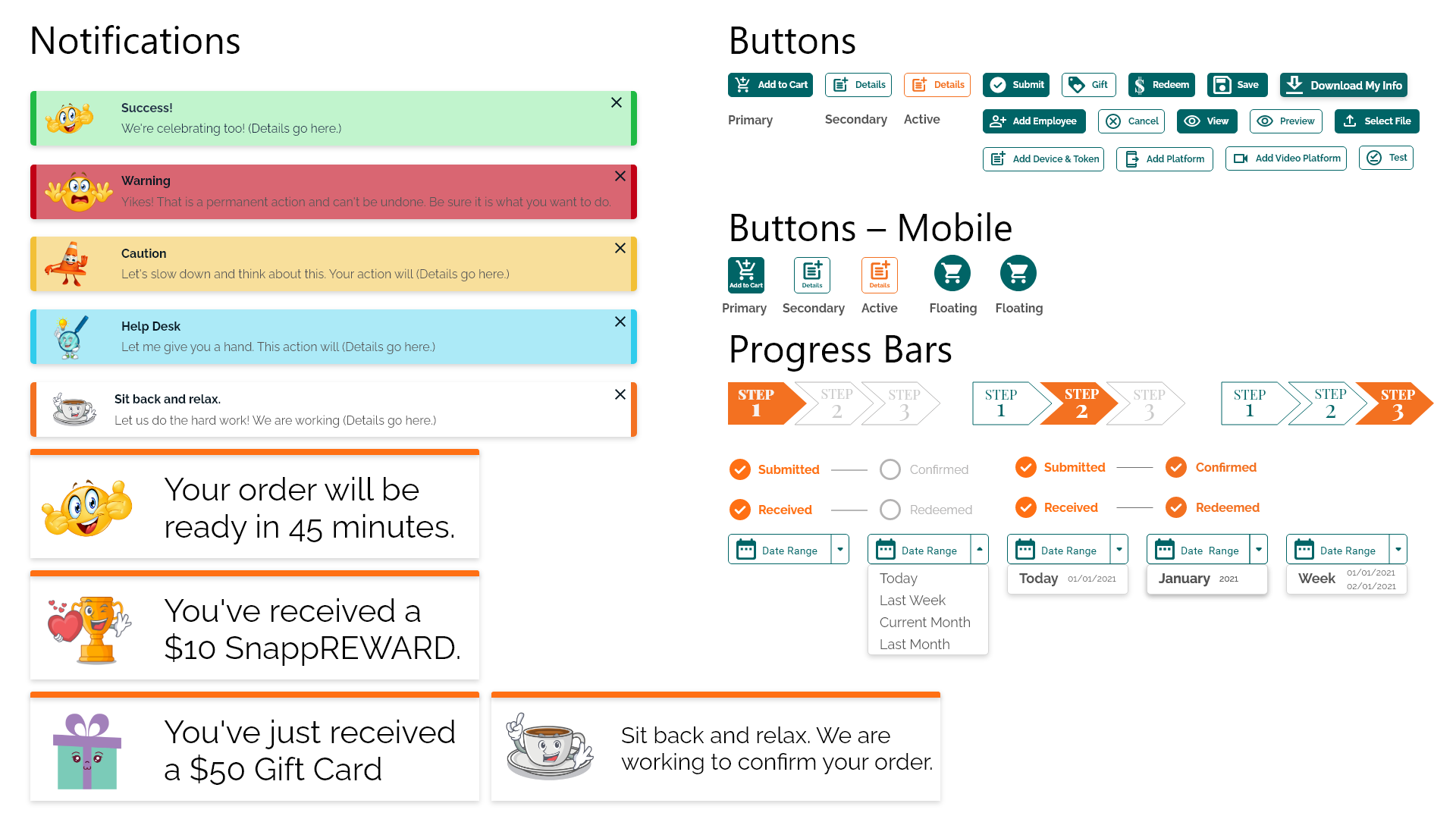
As the product expanded, individual screens needed to become a reusable system. I established a UI/DEV component library with more than 90 reusable components, alongside style guidance and visual standards that helped create consistency across products while supporting development workflows.
03 — Design the Experience
Carry the system into the product.
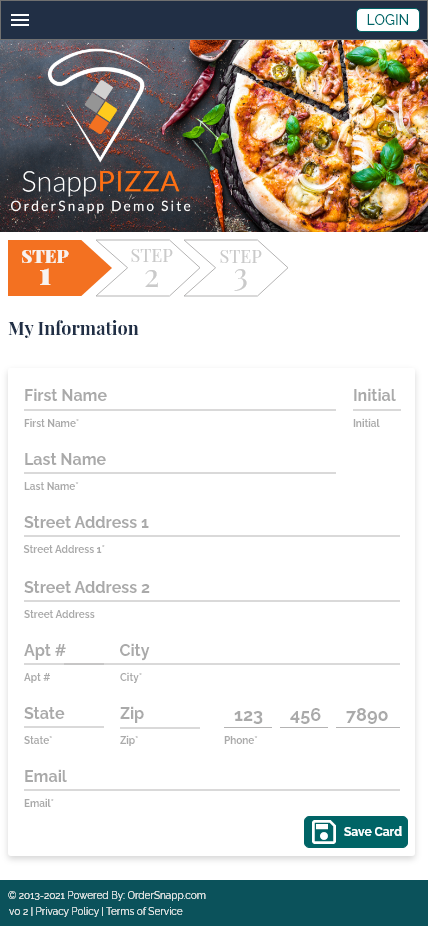
That foundation supported product design across SnappONLINE, SnappFINDER, administrative tools, checkout, login, marketplace discovery, and other parts of the ecosystem.
Designing Across
Complex Systems
Finding clarity within complexity.
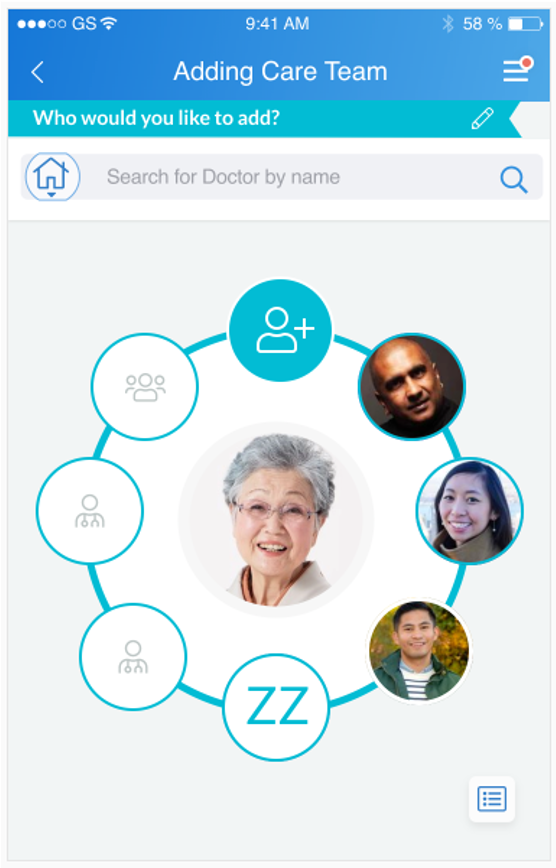
I worked as a UX Architect Designer across multiple Florida Blue and GuideWell Connect initiatives, including Provider Connect, the Provider Connect mobile application, Contract Management Lifecycle, and VISTA. My role connected user experience strategy with the people responsible for turning that strategy into working products.
01 — Enter the Problem
Understand before designing.
I moved across multiple product teams, often stepping into complex healthcare systems already in development. Each assignment required quickly understanding the users, business requirements, existing workflows, and problems the team was trying to solve. Research, stakeholder conversations, and evaluation helped me identify where the experience could be clarified before moving into interface design.
02 — Explore the Interaction
One need can have more than one experience.
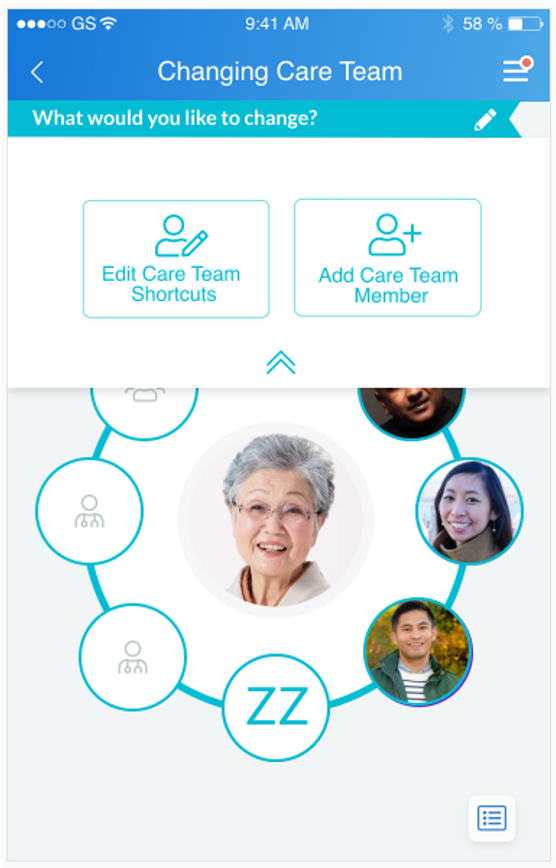
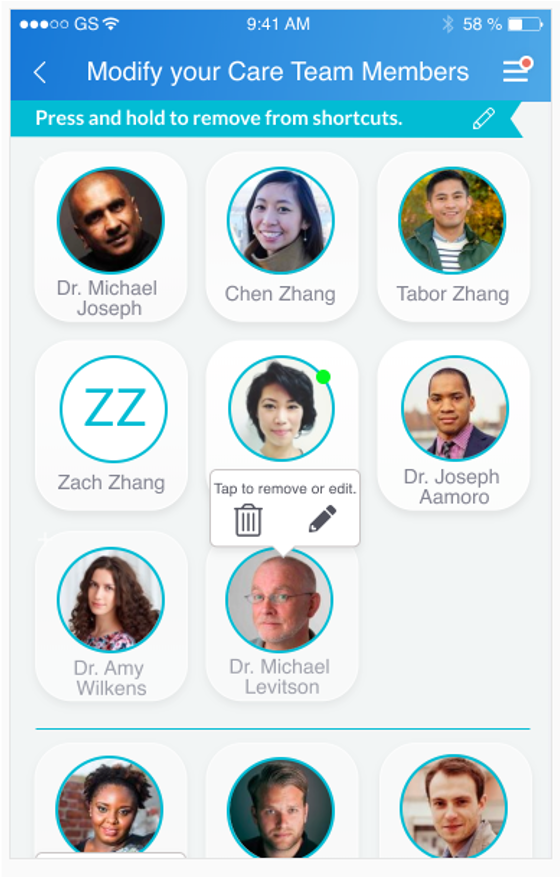
Different stakeholders often had different ideas about how an experience should work. I translated those perspectives into multiple interaction concepts for the same user need, allowing the team to compare approaches rather than debate them abstractly. Business Analysts and Product Owners could take those concepts back to stakeholders, gather feedback, and continue refining the direction.
03 — Find What Can Work
Balance people, business, and technology.
Design decisions were made collaboratively with stakeholders, Product Owners, Business Analysts, and developers. An experience had to support the user and business need while remaining technically achievable by the team building it. Development feedback helped identify implementation constraints, and concepts could then be adjusted until the experience, requirements, and technical capabilities aligned.
UX Design
without a brief.
Same principles, different medium.
User experience goes beyond the interface. Whether I am designing a digital product, shaping a workflow, publishing a book, or creating a video, the questions remain remarkably similar: Who is this for? What do they need to understand, feel, or accomplish? Where might friction interrupt the experience?
My independent work gives me room to explore those same principles across different mediums. I identify a question or opportunity, consider the audience and context, and move between research, design, technology, publishing, and experimentation to create an experience with intention.
01 — Explore New Tools
Learn by making.
New technology often begins for me with a question: What can I do with this? I experiment with unfamiliar tools by creating something real—testing features, learning their limitations, and discovering how they might extend skills I already have. From Canva and generative imagery to AI-assisted music, narration, and animation, exploration becomes the way I learn.
02 — Build a Creative Workflow
Connect tools around the idea.
Learning individual tools was only the beginning. A finished piece could require images created and refined in different applications, music generated separately, artificial voices developed and edited, and visual elements prepared for animation. I had to map how those pieces would work together—choosing the right tool for each task while keeping the original idea and experience consistent.
03 — Create the Experience
Bring the pieces together.
Filmora became the environment where those separate elements could become one experience. For Grace in Motion, I combined AI-generated imagery, original music created with Suno, and narration developed with ElevenLabs, then animated the still imagery, built the sequence, layered sound, adjusted timing and volume, and refined transitions and pacing. A short finished video might represent hours of experimentation, iteration, and problem solving behind what ultimately appears effortless to the viewer.